
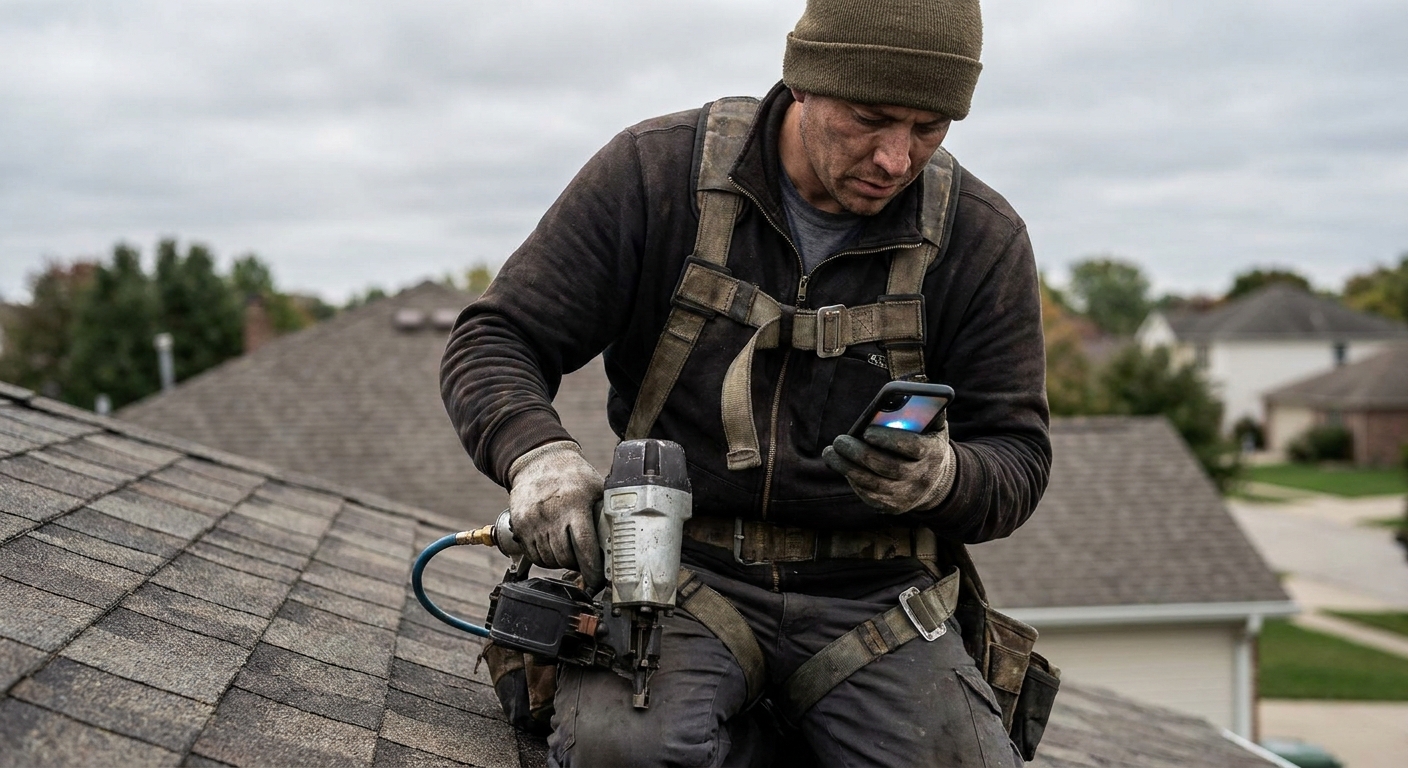
Your phone rings while you're on a ladder. You let it go to voicemail and plan to call back after the job. By the time you do, the caller has already booked someone else.
It happens every day in service businesses, and most owners badly underestimate what it costs.
Most callers don't leave a voicemail
When someone calls a service business, they usually need help now. A burst pipe, a broken furnace, a move-out clean on Friday. If you don't answer, the easiest next step isn't leaving a message. It's calling the next company on the list.
And unlike a returning customer, a new caller has no loyalty to you yet. You were one of several numbers they found online.
Do the math for your own business
You can estimate what missed calls cost with three numbers:
- Missed calls per week from new callers. Check your phone log for a typical week.
- Your booking rate. Of the new callers you do reach, what percentage book a job?
- Your average customer value. Not just the first job, but what a typical customer spends with you over the next year or two.
Here's an example. Say you miss 8 new-customer calls a week and you normally book half the callers you reach. That's 4 jobs a week, or roughly 200 a year. If an average customer is worth $400 over their first year, that's $80,000 a year in lost revenue. Even if your numbers are a quarter of that, it's still a part-time employee's wages walking out the door.
The hidden costs
The direct revenue is only part of the damage:
- Marketing waste. You paid for that call with ads, a website and years of reputation. An unanswered call is marketing spend thrown away.
- Review risk. People who couldn't reach you sometimes leave reviews saying so.
- Lost recurring revenue. A missed first call for a cleaning, lawn or maintenance customer might mean losing years of repeat visits.
How to stop missing calls (without hiring a receptionist)
Set clear business hours and say them. Put your hours on your website, your voicemail and your Google profile. Callers are more patient when they know when you'll get back to them.
Text back missed callers immediately. A quick text saying "Sorry we missed you, we're on a job. How can we help?" keeps the conversation alive. Many people prefer texting anyway.
Give callers options. Instead of just voicemail, let callers request a callback or send a text with their details.
Let customers book online. Many callers just want to know your price and when you can come. An online booking form with real pricing and real availability answers both, at any hour.
Route calls to whoever's free. If you have a team, calls shouldn't always ring the owner's cell. Route them to whoever's on duty.
Block spam. Robocalls interrupt your day and train you to ignore unknown numbers, which is exactly the habit that loses real customers.
Building a system that never misses a lead
The goal is simple: every person who tries to reach you should end up either booked or with a clear next step. That takes a combination of phone handling, online booking and follow-up.
This is the problem the Call Manager in PageSmack is built for. Your business gets a dedicated number that rings your team, with greetings and routing based on who's on duty and your operating hours. If nobody picks up, callers can choose a callback, leave a voicemail or send a text request, and everything lands in your team chat with call logs and transcripts so nothing gets lost. Spam numbers can be blocked. Paired with an online booking form that captures people who start booking but don't finish, it closes most of the gaps where leads slip away.
You can't answer every call. But you can make sure that no caller is ever simply ignored.