
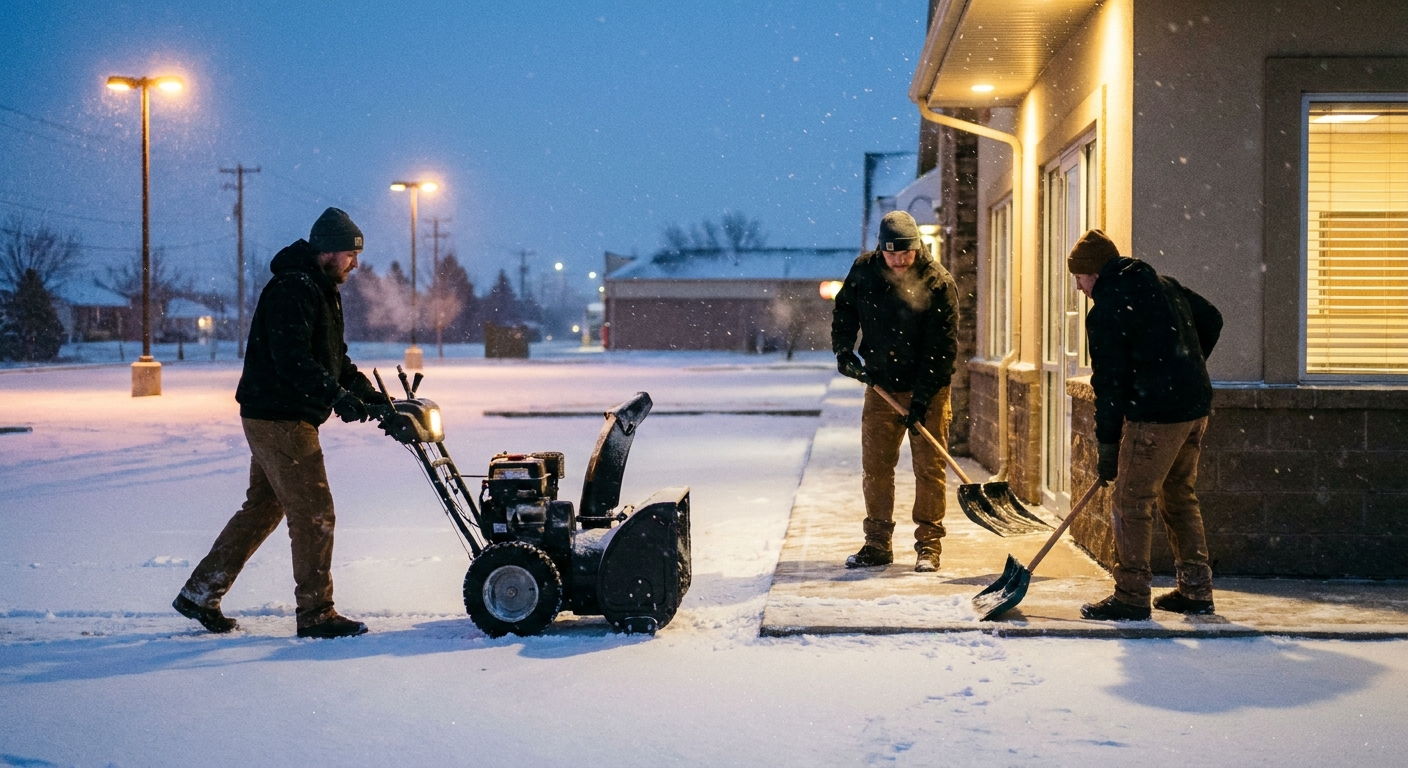
Every service trade has its rhythm. Landscapers slow down when the snow flies. HVAC companies get quiet in the mild weeks between heating and cooling seasons. Cleaners see dips after the holidays. Pool companies hibernate for half the year.
The slow season isn't just a cash flow problem. It's a people problem. If you can't keep your crew busy, your best workers find jobs elsewhere, and you start next season by hiring and training all over again.
Here are eight ways to keep the calendar fuller when demand drops.
1. Pre-sell the busy season during the slow one
Your slow season is the perfect time to book next season's work. Offer an early-booking discount to lock in spring cleanups, AC tune-ups or summer projects now. You get cash in hand, a fuller future calendar and customers who've committed before your competitors call them.
2. Add a complementary service
Look for work that uses the skills and equipment you already have, but peaks at a different time of year:
- Landscapers adding snow removal, holiday light installation or gutter cleaning
- Pool companies adding hot tub service or pressure washing
- Window cleaners adding gutter cleaning or holiday lighting
- HVAC companies pushing indoor air quality and duct cleaning in shoulder seasons
3. Push maintenance plans
Maintenance visits can be scheduled into slow weeks on purpose. If you have a base of plan customers, you control when a good chunk of your work happens. Use your quiet time to grow that base.
4. Reactivate past customers
Your customer list is full of people who used you once or twice and haven't called back. They already trust you. A simple message, such as "It's been a year since your last service, want to get on the schedule?", often brings in more work than any ad.
5. Go after commercial work
Offices, property managers, restaurants and strata or HOA properties often need service on schedules that don't match residential demand. One commercial contract can fill a slow season by itself.
6. Run a targeted promotion
A promotion works best when it's specific and limited: a set percentage off a particular service, valid for a few weeks, with a clear code. Track how many bookings it brings in so you know whether to run it again.
7. Use the time to improve the business
Not every hour needs to be billable. Slow weeks are when you can:
- Train new hires and cross-train your team
- Service vehicles and equipment
- Update your website, photos and service pages
- Write down your processes and checklists
- Review your pricing
8. Plan your cash for the slow months
Some slowdown is unavoidable, so plan for it. Put aside a portion of busy-season revenue to cover payroll and fixed costs in the quiet months. If you know your slow season is 10 weeks long, know exactly what those 10 weeks cost.
Making it happen
Most of these strategies depend on two things: knowing who your customers are and being able to reach them easily. If your customer list is scattered across phones and spreadsheets, even a simple reactivation campaign becomes a chore.
PageSmack keeps every customer's full history in one profile, including past jobs, quotes, invoices and survey responses, so finding "everyone who booked a spring cleanup last year" doesn't take an afternoon. You can create promotional coupons with start and end dates, track how many times each code is used and turn it off when the promotion ends. Tags and automations can send reminders to the right customers, and your website's online booking takes slow-season bookings any time of day. Your blog is built in too, so the slow season is a good time to publish a few posts like this one.
The slow season will always come. With a plan, it can be the time you set up your best year yet instead of the time you hold your breath.